




Upper eyelid correction
An upper eyelid correction (blepharoplasty superior) is an operation that removes excess skin from the eyelids. As we age, the eyelids stretch and the muscles that support them weaken. As a result, excess skin and fat can accumulate above and below your eyelids. This can cause droopy eyebrows, droopy upper lids and bags under the eyes.
Besides ageing, severely sagging skin around the eyes can reduce vision, especially the upper and outer parts of the visual field. Eyelid surgery can reduce or eliminate these vision problems. The surgery can also make the eyes look younger and fresher.
Preparation for the eyelid correction operation
- The plastic surgeon will discuss your medical history and the operation with you during your visit to the clinic.
- For certain indications, the operation can be requested from your health insurance company first. The doctor will request this. You will receive your own notification from the health insurer whether or not the operation is approved.
- If the surgery is not covered by the health insurer, you can request a quote for your own account from your doctor.
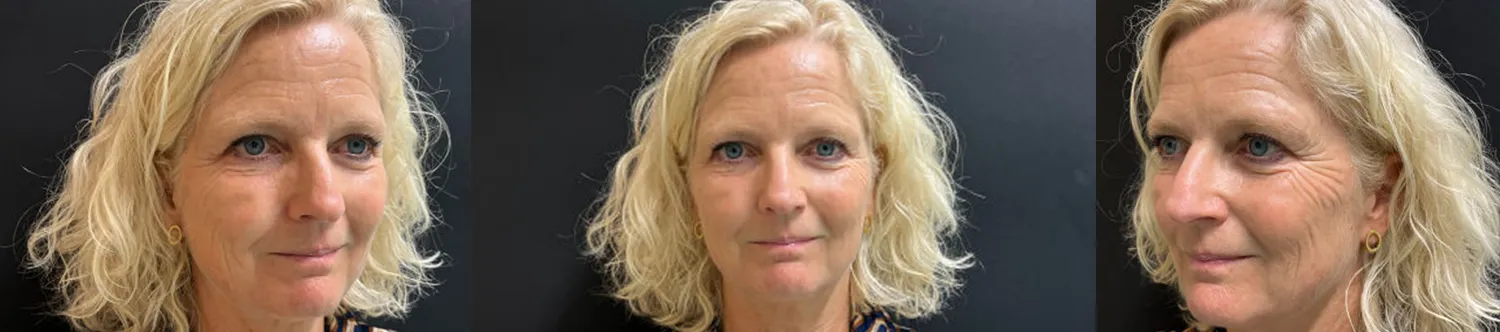
- Photos from different angles help plan the surgery and document whether there is a medical reason for it, which could support an insurance claim.
- Notify the plastic surgeon if you take blood-thinning drugs. These should be stopped before surgery.
- Report hypersensitivities, e.g. hypersensitivity to latex or plasters.
- On the day of surgery, do not use make-up or cream on the eyelids.
- Make sure someone takes you to and from the clinic if you undergo outpatient surgery. If necessary, arrange for someone to stay with you during the first night after returning home from surgery.
Eyelid correction surgery
The operation takes place under local anaesthesia in the outpatient operations room. The plastic surgeon will first mark out the part of your skin to be removed in a sitting position. You will then lie down and a small amount of anaesthetic will be injected. Then the excess skin is removed. The skin is closed with a non-dissolvable suture, which is removed after a week.
After eyelid correction surgery
After surgery, you may have some symptoms that will disappear on their own. Examples include blurred vision, watery eyes, light sensitivity, double vision, swollen/feeling eyelids, bruising, and pain or discomfort.
We recommend avoiding stress-inducing activities for the first three days after the procedure. This is because swelling may occur. We also advise against sports until the sutures are taken out after about a week.
Cooling
For the 24 hours after surgery, use ice compresses on your eyes every hour for 10 minutes. This will help reduce pain and swelling.
Alcohol
Make sure you do not drink alcohol on the day of surgery. This thins the blood. You should also avoid alcoholic drinks for about 48 hours after the operation.
Complications
Contact Medical Centre Wetering immediately if:
- You are in a lot of pain after the operation;
- The wound continues to bleed;
- The wound becomes swollen or red;
- You experience blurred vision.
Costs of a eyelid correction
An upper eyelid correction is not always covered by your health insurance. The health insurer can always check (even after the operation) whether reimbursement is justified in your case and, for this purpose, request the photos taken prior to the operation. You can inquire with your insurance company about possible reimbursement and what the conditions are for this.
If the upper eyelid correction is not covered by your health insurer, the cost of the procedure is € 995.
Frequently Asked Questions about Eyelid Correction
When is eyelid surgery recommended?
Eyelid surgery may be considered when drooping eyelids cause a tired appearance or interfere with vision. Both cosmetic concerns and functional complaints can be reasons to discuss this procedure with a plastic surgeon.
What is the difference between medical and cosmetic eyelid surgery?
Eyelid surgery may be considered medically indicated if excess skin causes a proven limitation of the visual field. In such cases, partial reimbursement by the health insurer may be possible. When performed for cosmetic reasons only, reimbursement usually does not apply. This is discussed during the consultation.
What is the recovery like after eyelid surgery?
After the procedure, swelling and bruising around the eyes are common. These usually subside within one to two weeks. Stitches are typically removed after about a week. The final result becomes more apparent over the following weeks.
Is eyelid surgery painful?
The procedure is performed under local anaesthesia, so you should not feel pain during surgery. Afterwards, some mild discomfort or tightness may occur, which can usually be managed with cooling and simple pain relief.
When can I resume my daily activities?
Light daily activities can often be resumed after a few days. Sports and strenuous exercise should be avoided until the stitches have been removed and swelling has reduced. Your surgeon will provide personalised advice.
Are there any risks or complications?
Eyelid surgery is a commonly performed and generally safe procedure. Temporary side effects may include swelling, bruising, sensitivity, or altered sensation of the eyelids. Serious complications are rare. If you experience unexpected symptoms, you should contact the clinic.
Before treatment
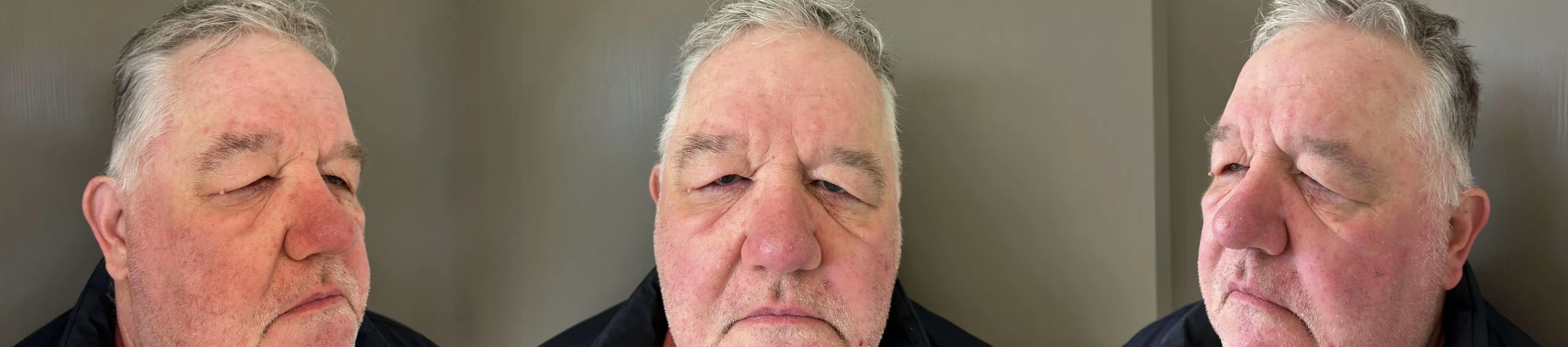
After treatment
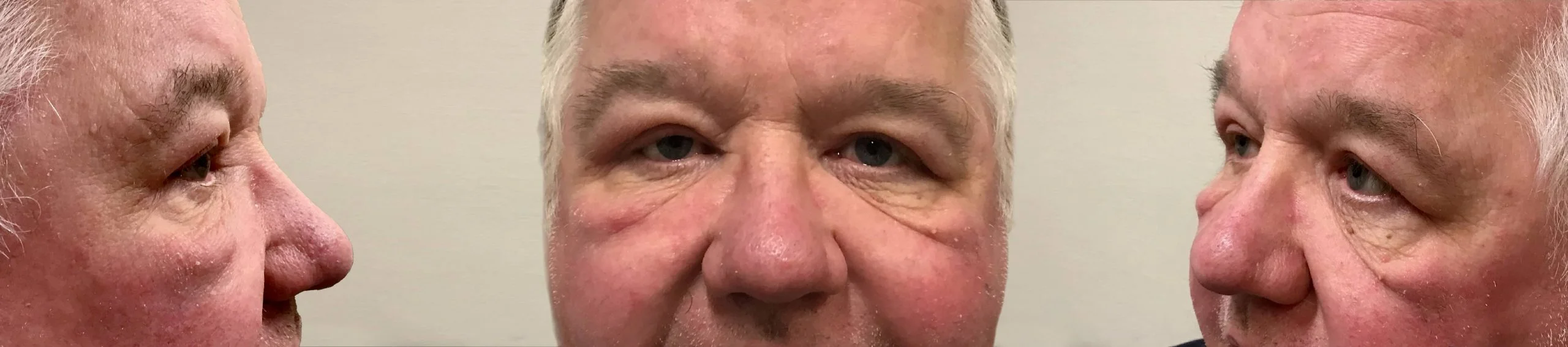
Before treatment
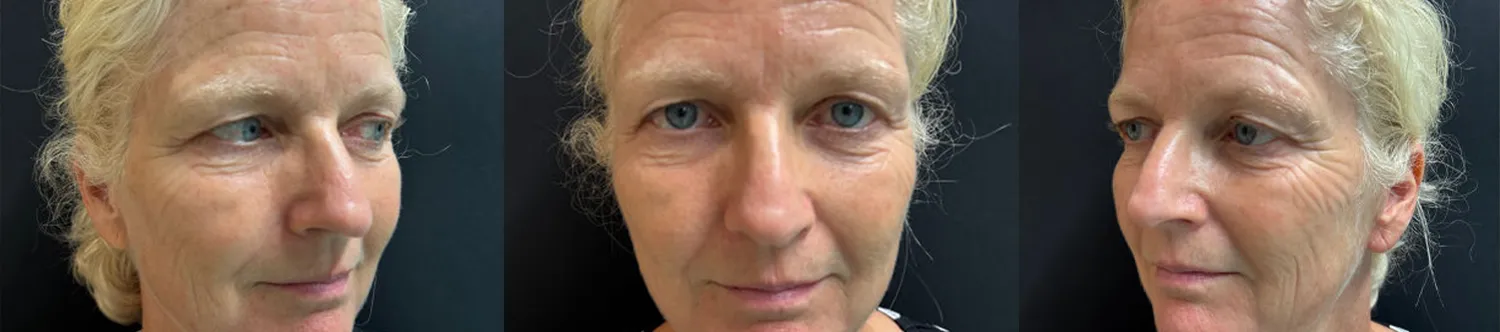
After treatment
Waiting time indication
Dermatology
Days
Gynaecology
Days
Proctology
Days
Phlebology
Days
Plastic surgery
Days
Unfortunately, a waiting period of 8 weeks applies to policyholders of CZ, Ohra, Nationale Nederlanden, or related labels (Just, CZ Direct).